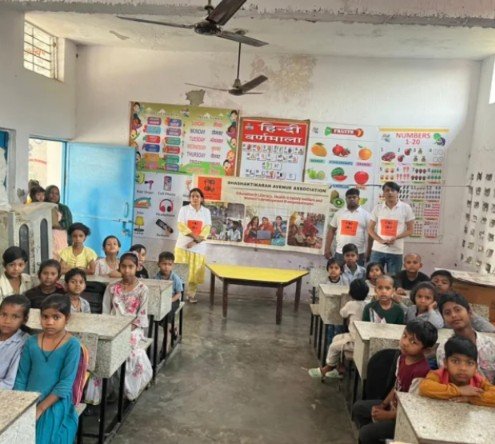
For millions of families in India, school is not a given. Fees, uniforms, books, distance, and the pressure to earn can push a child out of the classroom. If you are a parent, volunteer, or donor wondering how an Education NGO India families can trust actually helps, this guide explains what these organisations do and how to recognise good work.
Why Underprivileged Children Struggle to Learn
Enrolment has improved across India, but staying in school and learning well are separate challenges. Common barriers include:
- Cost: Fees, stationery, and transport add up for low-income households.
- Child labour and household duties: Many children work or care for siblings.
- First-generation learners: Parents who never attended school may not know how to support homework.
- Weak foundational skills: Children often move up grades without mastering reading and basic maths.
- Gender bias: Girls are more likely to be pulled out early, especially in rural areas.
How an Education NGO in India Helps
Child Education and Support Programs
Strong child education and support programs go beyond admission. They typically include:
- Enrolment and re-enrolment drives that bring out-of-school children back to formal schooling.
- Learning support centres offering remedial classes in reading, writing, and numeracy.
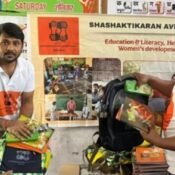
- Study material support such as books, bags, and stationery.
- Scholarships and financial aid so fees do not end a child’s education.
- Digital literacy sessions introducing basic computer skills.
Bridge Classes and After-School Tutoring
Children who have dropped out often need bridge courses to catch up with their age group. Evening and community-based classes help working children and first-generation learners keep pace without losing their place in school.
Community and Parent Engagement
An NGO working for underprivileged children’s education knows that change starts at home. Field workers meet parents, explain why regular attendance matters, and, where possible, connect families to government schemes they are entitled to.
Life Skills and Holistic Development
Good programs also build confidence, communication, and awareness of health and hygiene. Sports, arts, and mentoring help children see a future beyond their present circumstances.
Challenges NGOs Face
- Limited and uncertain funding
- Irregular attendance due to seasonal migration or family work
- Shortage of trained teachers and volunteers
- Reaching remote or marginalised communities
Practical solutions include flexible class timings, local volunteer teachers, partnerships with schools and panchayats, and simple progress tracking so support can be adjusted child by child.
How to Choose a Trustworthy Education NGO
If you want to support or enrol a child through an organisation, check:
- Is it a registered NGO, with clear details of its legal status?
- Does it publish annual reports or program updates?
- Are its programs focused on learning outcomes, not just distribution?
- Does it involve parents and the local community?
- Is there transparency about how contributions are used?
Frequently Asked Questions
1. What does an education NGO in India do?
It helps children access and stay in school through enrolment support, tutoring, scholarships, learning material, and community awareness.
2. Who can benefit from child education and support programs?
Typically children from low-income families, first-generation learners, school dropouts, and girls facing barriers to education.
3. Are these programs free?
Most NGO programs for underprivileged children are offered free or at minimal cost, though this varies by organisation.
4. How can I support an education NGO?
You can donate, sponsor a child’s education, volunteer time or skills, or spread awareness.
5. Do NGOs replace government schools?
No. They complement formal schooling by filling gaps such as remedial learning, material support, and family engagement.
6. How can I verify an NGO is genuine?
Ask for registration details, annual reports, and examples of ongoing work, and look for transparency in communication.
7. Can volunteers help without teaching experience?
Yes. Mentoring, reading sessions, fundraising, and administrative support are all valuable.
Conclusion
Learning opportunities change when families, communities, and committed organisations work together. A well-run education NGO removes practical barriers, rebuilds foundational skills, and helps children believe in their own potential.
At Sashaktikaran, education and empowerment go hand in hand. If you want to support a child’s education, volunteer, or learn more about our work, connect with us today and help turn access into opportunity.